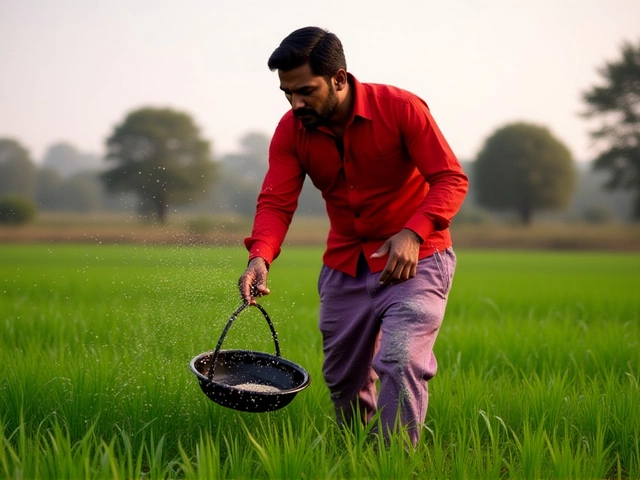
It’s not just hot in Rajasthan right now; it’s dangerous. As late May settles over the state, temperatures are soaring into triple digits, with Bharatpur recording a blistering 113°F (45°C). The India Meteorological Department and major forecasting agencies like AccuWeather are sounding alarms about dehydration and heatstroke risks for residents across the region.
The heat isn't uniform, but it is relentless. From the capital city of Jaipur to the desert towns of the north, the mercury is climbing fast. For locals, this isn't just uncomfortable weather—it's a public health challenge that requires immediate attention and caution.
A State Under Siege by Heat
Here’s the thing: when you hear "hot," you might think of a sunny beach day. But in Rajasthan this week, "hot" means survival mode. AccuWeather’s data for Tuesday, May 26, paints a grim picture for Jaipur. The forecast calls for conditions that are "hazy, breezy and very warm," with highs hitting 109°F (43°C) and lows barely dipping to 88°F (31°C) at night.
But Jaipur isn’t alone. A broader look at the state reveals a map of extreme temperatures:
- Bharatpur: 113°F (45°C)
- Bhiwadi: 112°F (44°C)
- Kota: 111°F (44°C)
- Bikaner & Bundi: 110°F (43°C)
- Baran & Bhilwara: 109°F (43°C)
Even cities further south like Ajmer and Jodhpur aren't escaping the intensity, sitting at 105°F and 103°F respectively. This widespread heating event turns the entire state into a pressure cooker, making outdoor activities risky during peak daylight hours.
Health Risks and Air Quality Concerns
The twist is that the heat isn't the only enemy. Air quality is taking a hit too. At 5:59 AM on Tuesday, current conditions in Jaipur showed an air quality index labeled as "Unhealthy." Combine that with haze hanging over the city, and breathing becomes a struggle for many, especially those with respiratory issues.
AccuWeather issued a stark warning: "Danger of dehydration and heat stroke if outside for extended periods of time Wednesday." That’s not hyperbole. When the RealFeel® temperature hits 88°F even in the shade before sunrise, your body has little margin for error. If you’re working outdoors—construction workers, farmers, delivery drivers—the risk is immediate and severe.
Weather Underground corroborates these findings, noting a "Haze" designation with winds from the west-northwest at 10 to 20 mph. While the wind offers some relief, it also stirs up dust, contributing to the hazy skies and poor visibility reported across the region.
Official Data vs. Real-World Feel
Let’s break down what the official numbers say versus what people are experiencing. The Met Centre Jaipur, part of the IMD, reported current weather across major cities. In Jaipur, they recorded 34°C with northwesterly winds at 14.8 km/h and 47% humidity. However, a later forecast entry for the same location jumped to 39°C with lower humidity at 31%.
This discrepancy highlights a key issue: official readings often come from stations like the airport (AMO Jaipur), which may be slightly cooler than dense urban centers due to less concrete and asphalt trapping heat. Meanwhile, Sriganganagar in the northwest reported 33.4°C, while Churu sat at 34°C. These numbers seem modest compared to the 113°F highs elsewhere, but remember—these are specific point-in-time observations. The daily maximums tell a different story.
On May 25, 2026, at 9:13 PM IST, Weather Underground noted a "feels like" temperature of 101°F in Jaipur, despite actual readings being lower. This "apparent temperature" accounts for humidity and radiant heat, giving a more accurate picture of human discomfort. It’s why stepping out at dusk still feels like walking into an oven.
What Residents Should Do Now
If you’re in Rajasthan, here’s the bottom line: stay inside during peak heat hours (11 AM to 4 PM). Hydrate aggressively—not just water, but electrolytes. Avoid strenuous activity. Check on elderly neighbors and outdoor workers.
The YouTube Shorts video titled "राजस्थान में कैसा रहेगा मौसम का मिज़ाज़?" (How will the weather mood be in Rajasthan?) reflects the growing anxiety among citizens seeking real-time updates. Tags like "rajasthan weather news" and "mausam ki jankari" show that people are actively looking for guidance, not just data.
There’s no mention of rain breaking this spell anytime soon. The focus remains on managing heat stress. Local authorities should consider extending curfews for outdoor labor and opening cooling centers in vulnerable areas.
Looking Ahead: Is Relief Coming?
Unfortunately, the forecast doesn’t offer much hope for immediate relief. With highs expected to remain above 105°F through the end of the week, the heatwave is likely to persist until the monsoon arrives. Historically, Rajasthan sees its first pre-monsoon showers in June, but this year’s pattern suggests a delayed onset.
Experts warn that prolonged exposure to such temperatures can lead to long-term health impacts, including chronic kidney disease linked to repeated dehydration episodes. This isn’t just about feeling sweaty—it’s about systemic strain on the body.
Frequently Asked Questions
When is the hottest time of day in Rajasthan right now?
The most dangerous period is between 11:00 AM and 4:00 PM local time. During these hours, solar radiation peaks, and surface temperatures can exceed air temperatures by 10-15 degrees. Even shaded areas feel oppressive due to radiant heat from buildings and roads.
Why is the air quality labeled as 'Unhealthy' in Jaipur?
Poor air quality stems from a combination of factors: high temperatures accelerating chemical reactions in the atmosphere, dust storms stirred up by strong winds, and stagnant air masses trapping pollutants. The haze reduces visibility and irritates lungs, compounding the stress caused by heat.
Are there any chances of rain to cool things down?
Currently, there are no significant rainfall predictions for the next 7-10 days. Meteorologists expect the heatwave to continue until the southwest monsoon makes landfall, typically expected in early June. Any isolated thunderstorms would provide temporary relief but won’t break the overall trend.
Who is most at risk during this heatwave?
Outdoor workers (construction, agriculture), the elderly, children, and individuals with pre-existing heart or respiratory conditions face the highest risk. Dehydration sets in quickly, and heat exhaustion can escalate to life-threatening heatstroke within minutes if not treated immediately.
How reliable are the temperature readings from different sources?
IMD data comes from standardized meteorological stations, often located in open fields or airports, which may read cooler than urban centers. Commercial services like AccuWeather use models that incorporate satellite data and user reports, sometimes showing higher "feels like" temperatures that better reflect human experience in cities.