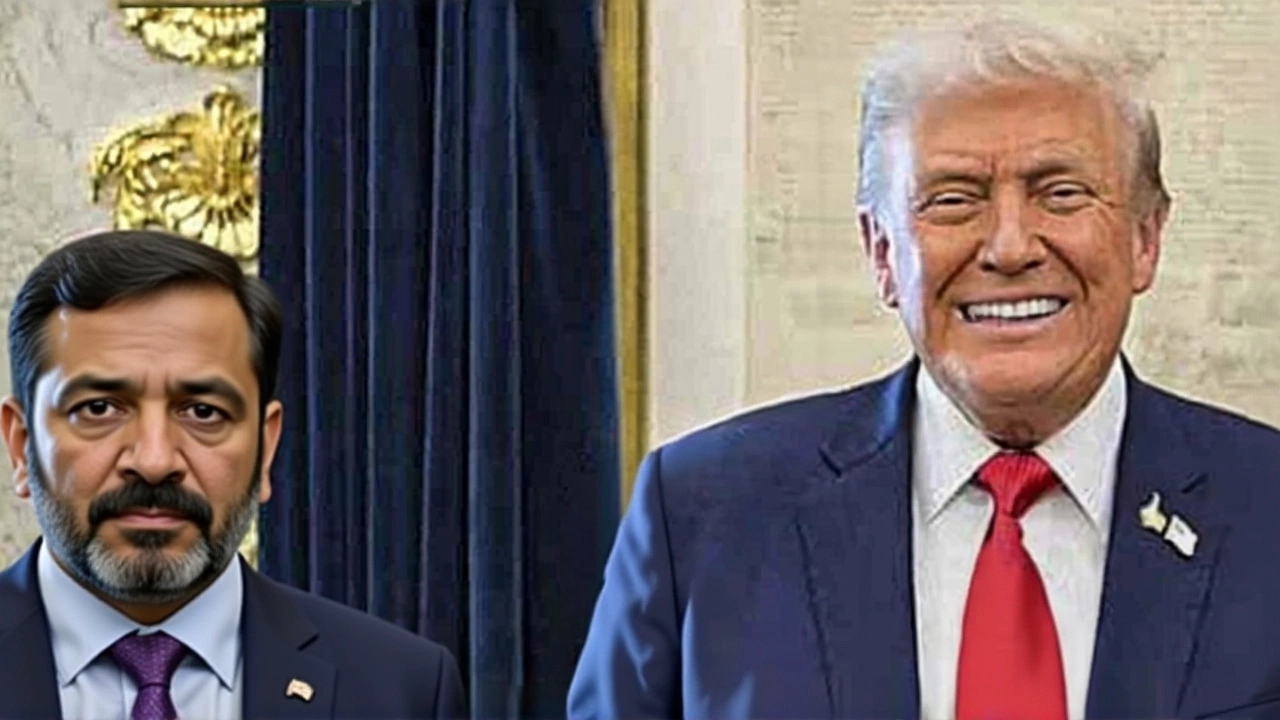
When Donald Trump, President of the United States, demanded that Muslim-majority nations join the Abraham Accords as a "mandatory" condition for regional stability, he didn’t get the compliance he expected. Instead, he got a firm no from two of Washington’s closest allies in the region: Pakistan and Saudi Arabia. The rejection, delivered with surprising clarity on May 25, 2026, signals a major diplomatic rift between the White House and key partners in West Asia.
Here’s the thing: this isn’t just about signing papers. It’s about sovereignty, public opinion, and the unresolved Palestinian issue. While Trump framed the accords as essential for countering Iranian influence, Islamabad and Riyadh have made it clear they won’t trade their core principles for American approval. The stakes? A potential realignment of Middle Eastern alliances that could reshape global energy markets and security dynamics.
The Pressure Campaign
Trump’s push wasn’t subtle. On his social media platform, Truth Social, he posted a lengthy message urging Saudi Arabia, Pakistan, Turkey, Egypt, Jordan, Qatar, and others to sign the Abraham Accords immediately. He called it “essential” for resolving the Iran file and warned that refusal would signal “bad faith.”
“This should start with immediate signatures by Saudi Arabia and Qatar, and all others must follow,” Trump wrote. He even suggested that if a deal with Tehran were reached, Iran too could eventually join the framework. But the tone was unmistakably coercive. Within hours, high-level conference calls were held with leaders across the region, including Pakistani Prime Minister Shehbaz Sharif.
The timing is critical. With tensions flaring in Gaza and nuclear negotiations with Iran stalled, Trump sees the Abraham Accords as leverage. But leverage only works if the other side wants what you’re offering. In this case, they don’t.
Pakistan’s Firm Stance
In Islamabad, the response was swift. Citing Reuters reports, Pakistani officials stated clearly that Iran policy and relations with Israel are not linked. Defense Minister Khawaja Muhammad Asif rejected the proposal outright, emphasizing that Pakistan has no intention of normalizing ties with Israel.
Why? Because domestically, supporting Israel is political suicide. The two-state solution remains non-negotiable in Pakistani public discourse. Even within the military establishment—traditionally pragmatic on foreign policy—there’s consensus that bowing to U.S. pressure on this issue would undermine national credibility.
Analysts note that Pakistan finds itself caught between its traditional pro-Palestinian stance and growing economic dependence on Western aid. But when push comes to shove, ideology wins. For now.
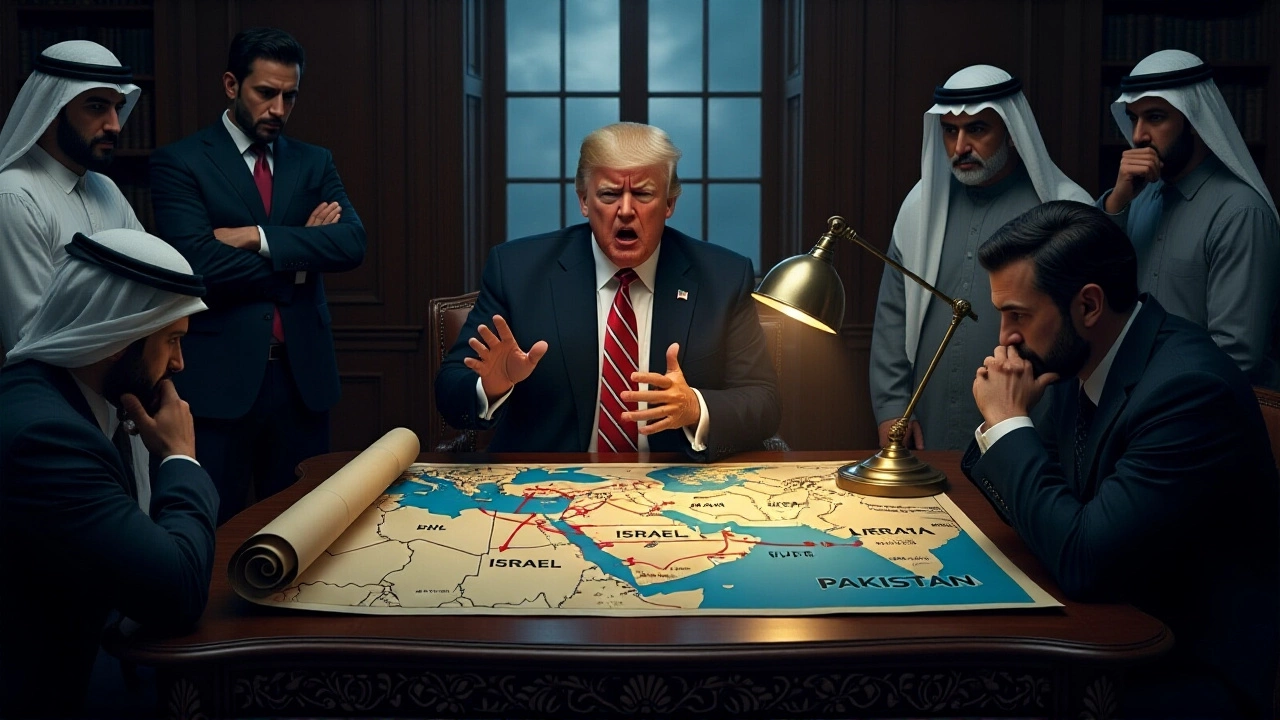
Saudi Arabia’s Red Line
Riyadh sent an equally unambiguous message: no normalization without a free Palestinian state. This isn’t new rhetoric—it’s been King Salman’s position for years—but delivering it publicly during peak U.S. pressure makes it significant.
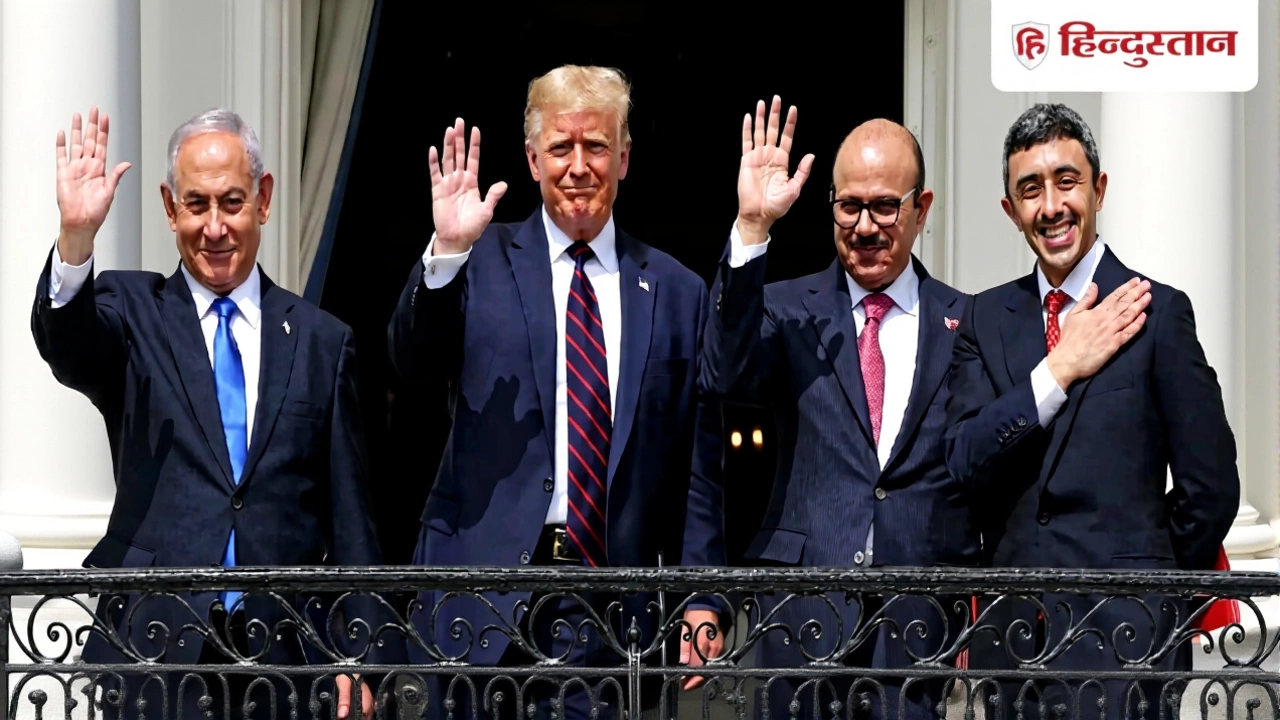
Saudi Arabia has quietly benefited from improved ties with Gulf states like the UAE and Bahrain, who joined the accords in 2020. Yet Crown Prince Mohammed bin Salman refuses to cross the final threshold without tangible progress on Palestine. Why? Because doing so risks alienating millions of Saudis who view the Palestinian cause as central to Islamic identity.
Interestingly, Morocco and Sudan joined later in 2020, followed by Kazakhstan in 2025. But these cases differ—they lacked the same level of domestic sensitivity or strategic weight as Saudi-Pakistani positions.
What’s Next?
The immediate fallout? Diplomatic friction. Expect reduced cooperation on counterterrorism initiatives and possibly slower arms deals. More importantly, look for increased Russian and Chinese engagement in both countries—a natural consequence of perceived U.S. overreach.
Longer term, watch for shifts in OPEC+ dynamics. If Saudi Arabia feels pressured economically, it may adjust oil production policies independently. Similarly, Pakistan might accelerate diversification away from dollar-denominated reserves amid strained ties.
Frequently Asked Questions
Why did Pakistan reject the Abraham Accords despite close ties with the US?
Pakistan’s rejection stems from deep-rooted public support for Palestine and domestic political constraints. Normalizing relations with Israel would violate longstanding national policy centered on the two-state solution. Defense Minister Khawaja Muhammad Asif explicitly stated there’s no link between Iran negotiations and Israeli recognition, signaling internal unity against external pressure.
What does Saudi Arabia require before joining the Abraham Accords?
Saudi Arabia insists on international recognition of an independent Palestinian state as a prerequisite. Despite benefiting indirectly from regional de-escalation through earlier accords signed by UAE and Bahrain, Riyadh maintains that any move toward normalization must be tied to concrete steps toward Palestinian self-determination.
How does this affect US-Iran relations?
Trump linked broader Middle East peace—including potential inclusion of Iran—to widespread adoption of the Abraham Accords. However, since major players like Pakistan and Saudi Arabia refused participation, prospects for comprehensive diplomacy involving Tehran dim significantly unless alternative frameworks emerge.
Which countries have already joined the Abraham Accords?
As of 2025, signatories include the United Arab Emirates, Bahrain, Morocco, Sudan, and Kazakhstan. These nations established formal diplomatic and economic relationships with Israel under US mediation starting in September 2020, marking historic breaks from previous isolationist stances toward Tel Aviv.
Will this impact future US defense contracts with Pakistan and Saudi Arabia?
Likely yes. Both nations rely heavily on American weaponry and training programs. Persistent disagreement over foundational geopolitical issues such as the Abraham Accords could lead to delays or cancellations in pending sales agreements, potentially opening doors for competitors like Russia and China.